
Getting Started
Your First Neurofeedback Visit: A Little Preparation, Less Guesswork
You don’t need to arrive with all the answers. Bring a few good questions, a little context, and a clear idea of what matters to you.
4 min read
qEEG brain mapping and personalized neurofeedback in Clarksville, guided by Dr. Cindy Morrey, Doctor of Chiropractic.
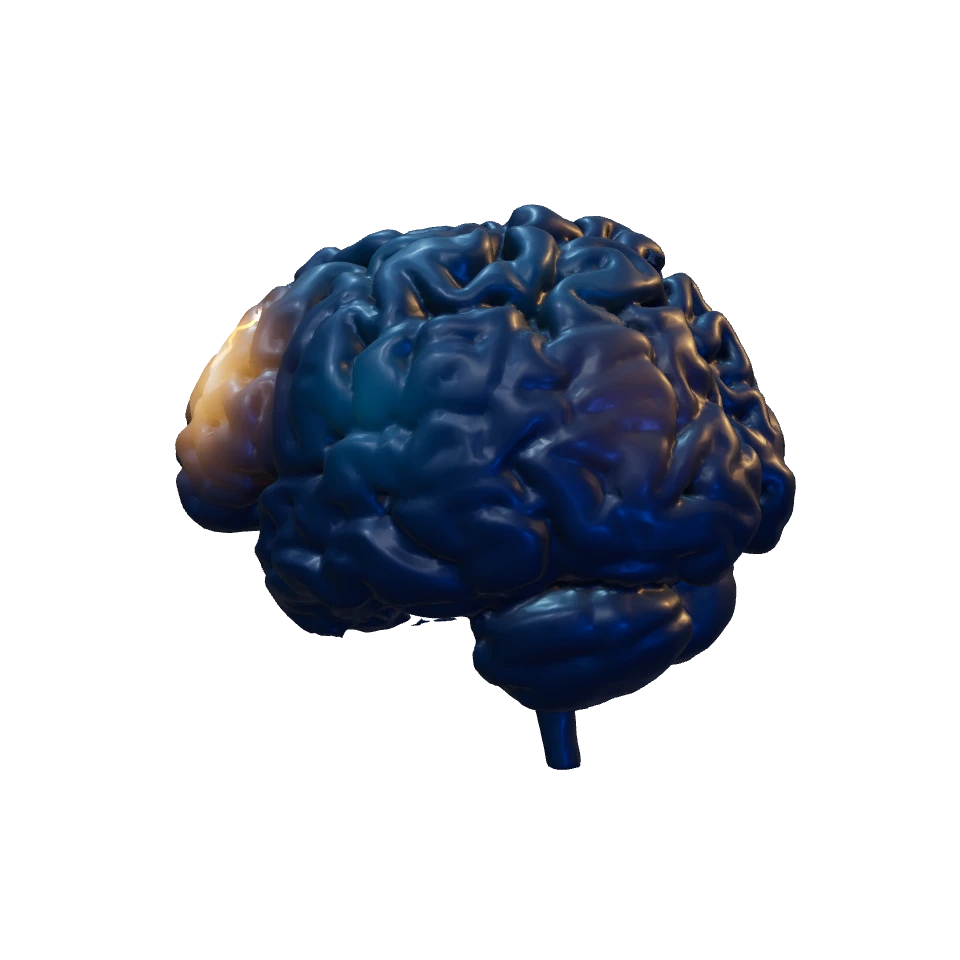
A brain map helps start the conversation. Your experience helps shape where it goes.
Get to know Dr. Cindy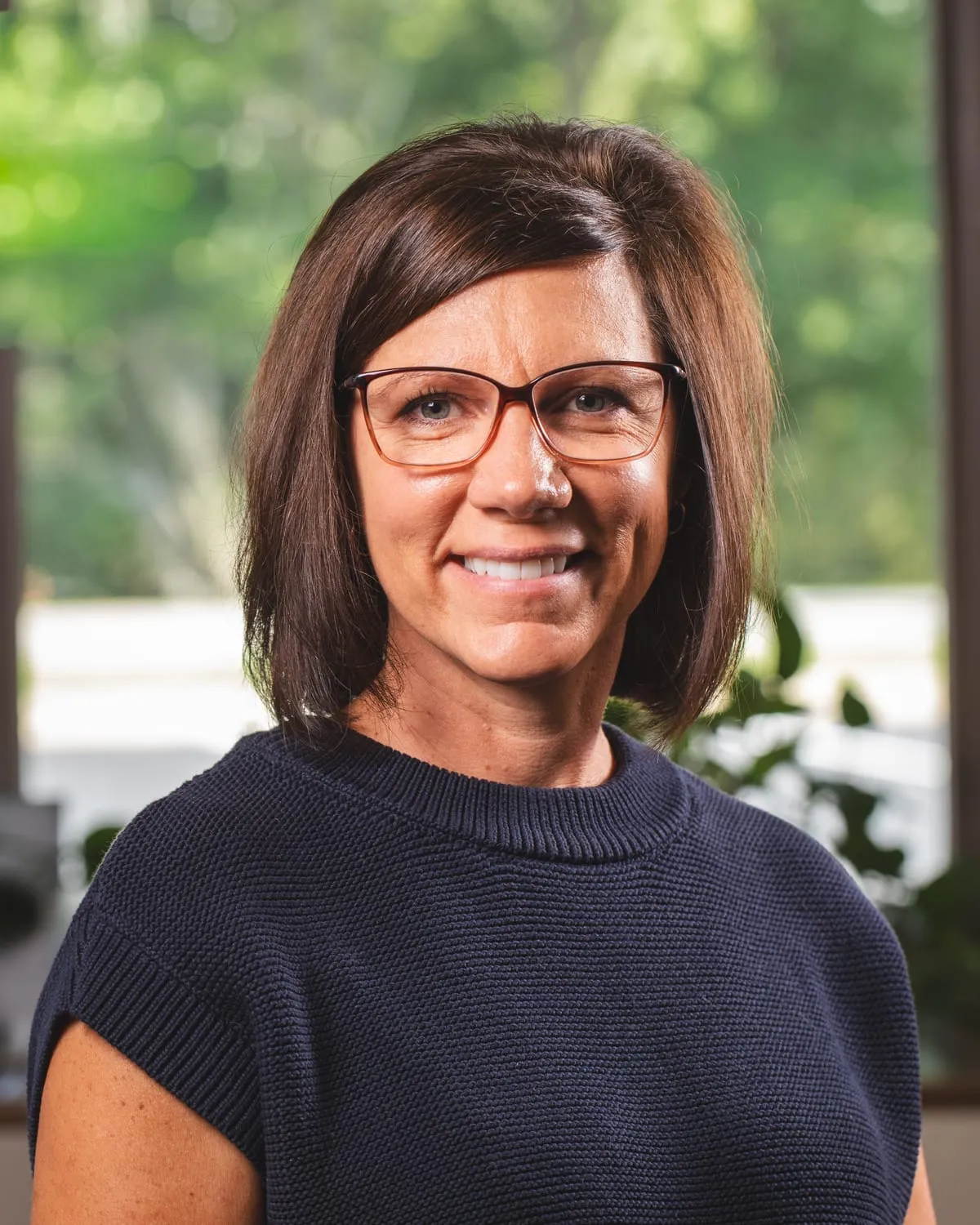
Doctor of Chiropractic
Neurofeedback Provider
Dr. Cindy Morrey is a Doctor of Chiropractic and neurofeedback provider. She guides patients through their brain map and training plan, with time to discuss the results and ask questions.
Here in Clarksville, TennesseeYou don’t need to have it all figured out. Find clear information about the questions on your mind.
When winding down feels difficult.
02Understand the patterns behind attention.
03Explore a different approach to regulation.
Start with information you can understand and a plan you can talk through.
Walk through the processScalp sensors record electrical activity with EEG. Quantitative EEG, or qEEG, analyzes that recording to help inform the conversation.
What is a brain map? ↗Go over your results with Dr. Cindy. Ask questions and discuss whether training fits your goals.
What happens at your results review? ↗Neurofeedback uses feedback from your brain’s activity during training. Your provider follows your progress with you.
How neurofeedback works ↗
Sleep, school, work, time together. Your questions come from everyday life. Bring them to a conversation with Dr. Cindy as you explore whether neurofeedback fits your situation.
Start a conversationFind us on Memorial Drive. We welcome individuals and families from Clarksville and the surrounding communities.
Explore the communities we serveYou don’t need to arrive with all the answers. Bring a few good questions, a little context, and a clear idea of what matters to you.
A clear price conversation should leave you with fewer unknowns. Here are the questions that help you understand the full picture.
The honest answer is that it depends entirely on what you are trying to help. The research is genuinely strong for some conditions, weak for others, and null for one of the most popular. Here is what the evidence actually shows.
Ask a question. Learn what a brain map involves.
Talk through whether our approach makes sense for you.